
Buying Your First Home? A First Home Buyer Checklist
A simple guide to help you feel prepared and confident
Buying your first home is exciting, but it can also feel overwhelming. There are a lot of moving parts, new terminology, and important decisions to make. The good news is that with the right preparation, the process can feel far more manageable.
This checklist is designed to help first home buyers understand the key steps involved and feel confident before taking the next step.
1. Get clear on your numbers
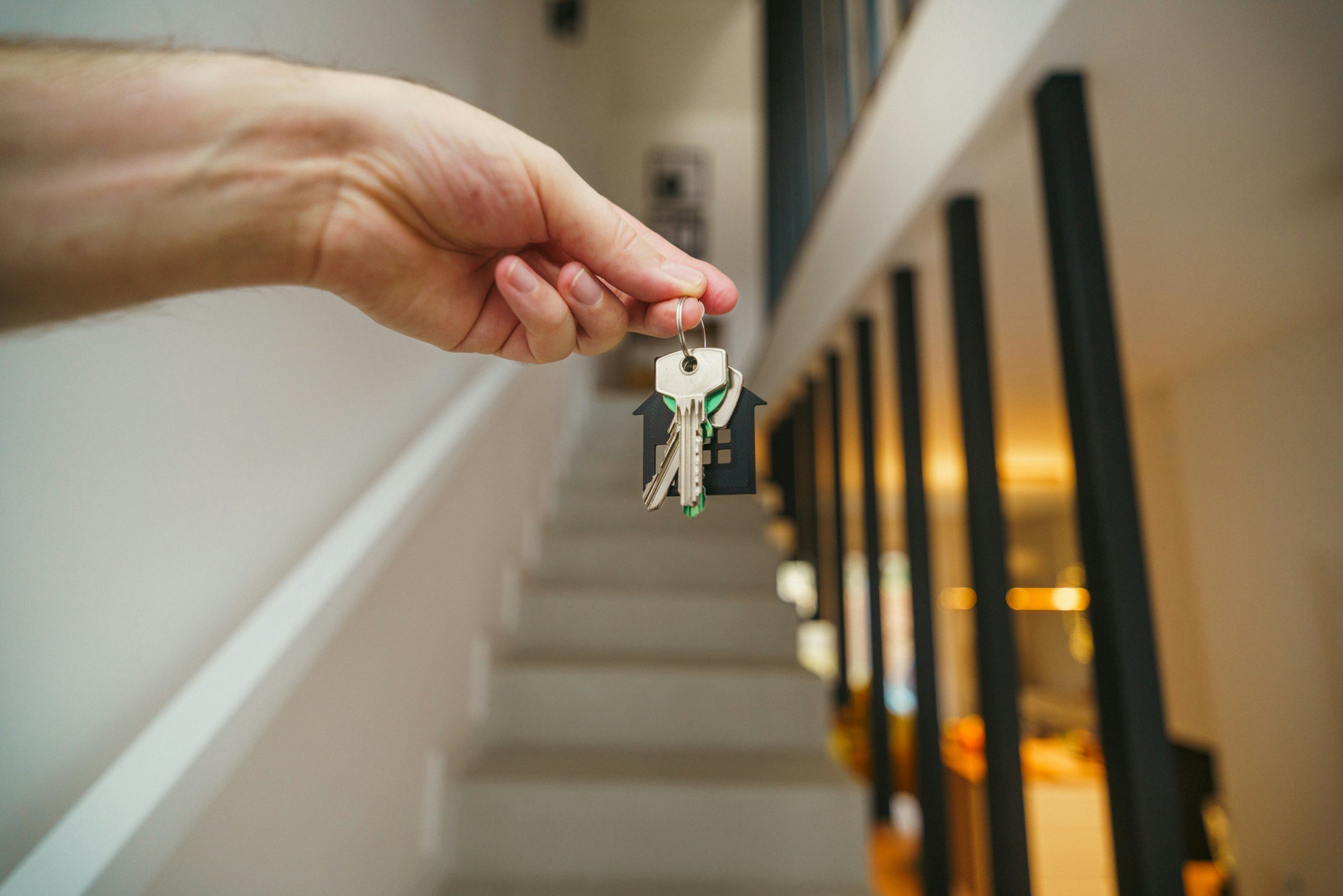
Buying your first home is a HUGE step and can be very nerve racking!!!
Before you start looking at properties, it is important to understand your financial position.
This includes:
Estimating how much you can borrow
Understanding how much deposit you have and how much you may need
Factoring in upfront costs such as stamp duty, legal fees, and inspections
Making sure repayments feel comfortable in your day-to-day budget
Many first home buyers underestimate this step. Getting clarity early can prevent disappointment later.
2. Understand your deposit options
You do not always need a 20% deposit to buy your first home.
It is worth understanding:
Whether you are eligible for the First Home Guarantee
How Lenders Mortgage Insurance works and when it applies
The pros and cons of buying with a smaller deposit
Whether genuine savings are required
Every situation is different, and the right option depends on your circumstances
3. Get pre-approval the right way
Pre-approval helps you buy with confidence, but not all pre-approvals are created equal.
A good pre-approval should:
Be based on a full review of your income and expenses
Be matched to lenders that suit your situation
Clearly outline any conditions that apply
Have a clear expiry timeframe
Having the right structure in place matters, especially in competitive markets, such as Sydney, Melbourne, Brisbane, Perth and Adelaide.
4. Prepare your documents
Being organised can make the loan process smoother and faster.
Common documents include:
Photo identification
Recent payslips or income evidence
Bank statements
Details of any existing debts or credit cards
Having these ready early can save time and reduce stress later.
5. Start your property search with confidence
Once you have pre-approval, you can search with clarity and purpose.
It helps to:
Know your price range and stick to it
Understand the difference between private sale and auction
Be aware of cooling-off periods and conditions
Take your time and ask questions
Buying well is just as important as buying quickly.
6. Making an offer or bidding at auction
This is often the most emotional stage of the process.
Before making an offer or bidding, make sure you:
Confirm your finance position
Understand contract terms and timelines
Seek legal advice if needed
Know when to walk away
A calm, informed approach usually leads to better outcomes.
7. Final approval and settlement
Once your offer is accepted, things move quickly.
At this stage you will:
Receive unconditional loan approval
Complete valuations and inspections
Sign loan documentation
Prepare for settlement day
This stage is largely administrative, but guidance can make it feel far less stressful.
8. After settlement
Settlement is not the end of the journey.
After moving in, it is worth:
Reviewing your loan and repayments
Making sure your loan still suits your goals
Understanding when refinancing might help in the future
A good broker relationship continues well beyond settlement.
Need help as a first home buyer?
You do not need to have everything figured out before speaking with a broker.
If you are thinking about buying your first home and want clear, calm guidance, we are here to help.